
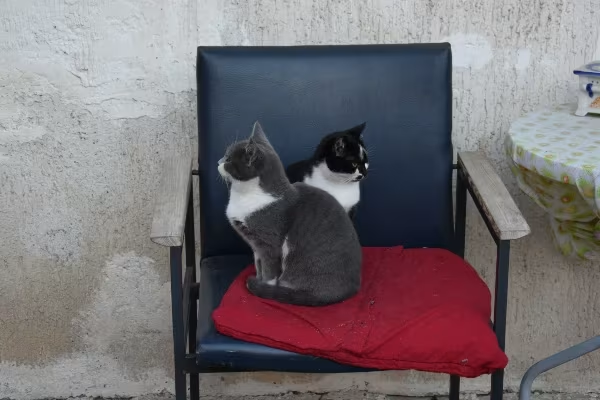
Understanding Pet Separation Anxiety
What Separation Anxiety Looks Like in Real Life
Picture this: you grab your keys and your dog starts pacing, drooling, or shadowing you from room to room. Or your cat suddenly meows loudly, follows you to the door, and later redecorates your sofa with some… artistic scratching. Separation anxiety is not a “naughty” streak—it’s distress when a pet is away from their safe person. It can show up as vocalizing, destructive behavior, house soiling, pacing, excessive grooming (cats), or attempts to escape. The behavior isn’t spite; it’s panic.
Dogs vs. Cats—Similar Stress, Different Signals
Dogs often go big: barking, howling, door-scratching, or chewing. Cats can be subtler: overgrooming, hiding, meowing, spraying, or refusing food while you’re gone. Both species feel stress; they simply speak different behavioral languages.
Is It Anxiety, Boredom, or Just Routine Protest?
Boredom mischief tends to happen even when you’re home (hello, shoe thief). Separation anxiety behavior clusters around departures and absences. If your pet is calm when you’re present, but spirals specifically when you leave or prepare to leave, anxiety is likely the culprit.
Rule Out Medical Causes First
Sudden soiling, destruction, or howling may have medical roots: pain, urinary issues, GI upset, thyroid problems. A quick vet check ensures you’re not training around a health problem.
Why Separation Anxiety Happens
Attachment, Genetics, and Early Life Experiences
Some pets are wired to be velcro companions. Genetics, early weaning, lack of alone-time practice, or trauma can set the stage. Deep attachment is beautiful—it just needs healthy coping skills.
Life Changes That Can Trigger Anxiety
Moves, schedule changes, new family members, losses, or returning to office life after remote work can ignite anxiety. Even positive changes (a new puppy friend) can briefly destabilize routines.
Your Energy Matters—How We Accidentally Reinforce Worry
When we fuss at the door, our pets learn “Door Time = Big Deal.” Overly emotional exits and squealy reunions make leaving and returning feel monumental. The fix isn’t to ignore your buddy; it’s to keep arrivals and departures low-key and predictable.
Quick Wins You Can Start Today
Pre-Departure Rituals That Calm Instead of Cue Panic
Replace “Oh no, they’re leaving” with “Ah, the chill routine.” Ten minutes before you go, stop hyping. Soft voice, slow movements. Prep your bag earlier so keys and coat don’t spike stress. Short, casual goodbye cues (“Back soon”) help you glide out rather than stage a theatrical exit.
The “Goodbye Sandwich”—A Three-Part Routine
- Calm settle (mat or bed)
- Engaging activity (frozen stuffed toy, lick mat, or food puzzle)
- Low-drama exit (no last-minute baby talk)
This sandwich stacks calm + occupation + neutrality so your pet has something better to do than worry.
Setting Up a Safe, Cozy Rest Zone
Think “spa nook,” not “jail.” Dimmer light, a comfy bed, water, and a predictable spot. For cats, add vertical options (perch, window seat). For dogs, a covered crate or pen can be comforting if introduced kindly (never as punishment).
The Foundation—Exercise, Enrichment, and Rest
Physical Exercise: The Anxiety Pressure Valve
A tired brain lives in a tired body. For dogs, quality walks with sniffing time, fetch sessions, or short training bursts can shift mood. For cats, play in hunt cycles—stalk, pounce, catch, eat, groom, nap—mirrors nature and melts tension.
Brain Work Beats Busy Work
Five minutes of nosework or clicker training can calm more than a 30-minute walk. Teach easy cues (“settle,” “place,” “touch”) and sprinkle in scent games or puzzle feeders.
The Power of Predictable Routines
Predictability lowers uncertainty. Feed, walk, and rest around the same times. Add micro-naps during the day so your pet isn’t overtired and clingy by evening.
Training Plan: Gradual Alone-Time Desensitization
Step 1—Neutralize Triggers (Keys, Shoes, Bag)
Pick up keys, sit back down. Put on shoes, watch TV. Grab your bag, toss a treat, and don’t leave. Do this a few times daily until those cues no longer predict panic.
Step 2—Micro-Absences That Don’t Tip the Stress Scale
Start absurdly small—step outside for 5–10 seconds and return before stress spikes. Success here is your foundation. If your pet panics, shorten the time.
Step 3—Build Duration with the “Alone-Time Ladder”
Climb gradually, repeating each rung until your pet stays relaxed.
Ladder Rungs: 10 Seconds → 30 Seconds → 2 Minutes → 5 → 10 → 20 → 30 → 45 → 60+
Move up only when the current rung is boring. If you hit a wobble, drop back one rung and stabilize before proceeding.
Step 4—Generalize to Different Times and Rooms
Practice at 9 a.m., noon, and evening. Leave from the front door, the back door, even the garage. Variety inoculates your plan against real-world surprises.
Step 5—Proof with Real-World Departures
Pair your final ladder stages with normal leaving contexts—work bag, jacket, a quick “Back soon.” Maintain the Goodbye Sandwich, then head out.
Counterconditioning: Make Departures Predict Good Things
High-Value, Long-Lasting Rewards
Think frozen stuffed toys, chew rolls appropriate for your pet, timed puzzle feeders. Reserve the absolute best goodies only for absences so your pet thinks, “You leaving? Sweet—snack time.”
Calm Arrival & Departure Rules
Return home like you never left: soft voice, neutral body, a minute of quiet before affection. You’re teaching, “Exits and entries are normal life, not emergencies.”
The “Nothing to See Here” Voice and Body Language
Slow your breathing, soften your shoulders. Pets read your micro-signals. If you’re chill, they borrow that calm.
Environment Tweaks That Help Your Pet Relax
Soundscapes, White Noise, and Visual Calm
White noise, audiobooks, or gentle music help buffer outside triggers. Close blinds facing busy streets. For cats, a window perch overlooking birds can be enriching—just avoid views that trigger frustration.
Scent & Comfort: Your T-Shirt, Their Blanket
Leave a worn T-shirt (not freshly washed) near their bed. Familiar scent = emotional anchor. Keep temperature comfortable and water accessible.
Crates, Pens, and Safe Rooms—When and How to Use Them Kindly
If your dog sees the crate as a den, it’s gold. Introduce it with treats, meals, and naps. For cats, a quiet room with litter, water, perch, and hiding options can feel safer than the whole house. Confinement should lower risk and stress, never escalate it.
Enrichment Ideas (Dogs & Cats)
Food Puzzles, Snuffle Mats, and DIY Foraging Games
Rotate store-bought puzzles with DIY: muffin tins with tennis balls, cardboard tube feeders, or towel rolls with kibble. Sniffing and foraging are nature’s stress balms.
Scent Work for Dogs; Hunt-Play Cycles for Cats
Hide treats in easy spots to start, then level up. For cats, use wand toys to mimic prey patterns: slow, fast, dodge, catch—then serve a small snack after the “kill.”
Rotation Strategy to Keep Toys Novel
Pick 3–4 enrichment items per day. Tomorrow, swap them. Novelty keeps interest high and anxiety low.
Helpful Tools & Calming Aids
Pheromone Diffusers, Wraps, and Pressure Garments
Species-specific pheromone diffusers can set a soothing baseline. Pressure wraps help some dogs feel grounded. Always pair tools with training; tools support, they don’t replace.
Supplements—Discuss with Your Vet
Some pets benefit from vet-approved calming supplements. Your clinician can advise on safety, interactions, and whether medication might help during training.
Tech Helpers: Pet Cams, Smart Feeders, and Timed Toys
Cameras let you monitor progress (and catch early signs of stress). Smart feeders and timers can deliver activities mid-absence. Avoid over-checking if it makes you anxious—your calm is part of the cure.
Special Situations
Puppies and Kittens: Prevention from Day One
Teach independence early. Short, positive alone-times with stuffed toys, nap routines, and calm departures build resilience. Keep sessions tiny and upbeat—end before fussing starts.
Newly Adopted Pets and Rescue Stories
New homes are overwhelming. Slow the world down for the first two weeks. Predictable feeding, gentle training, and lots of rest help your new friend feel safe. Expect a honeymoon period, then real behaviors surface—stay the course.
Multi-Pet Homes—When a Buddy Helps (and When It Doesn’t)
A second pet can provide company, but separation anxiety is about the human bond. Some anxious pets still panic even with a buddy. Assess individually; don’t assume a playmate is a cure.
WFH to Office Life—Easing the Transition
If you’ve been joined-at-the-hip for months, rehearse office days. Dress, grab your bag, step out for micro-absences, and climb that ladder. Ask a neighbor for a midday check-in while you’re building duration.
A 7-Day Mini-Plan to Get You Moving
Day-by-Day Playbook
- Day 1: Vet check (if needed), gather tools (puzzles, lick mat, diffuser). Start trigger-neutralizing drills (keys/shoes).
- Day 2: Introduce the Goodbye Sandwich with 5–10 second exits. Track behavior (video helps).
- Day 3: Climb to 30–60 seconds in 3–5 reps. Add light enrichment walk/play before sessions.
- Day 4: Reach 2–5 minutes calmly. Rotate puzzles; keep exits boring.
- Day 5: Stretch to 10–15 minutes. Practice at two different times of day.
- Day 6: Hit 20–30 minutes. Add mild real-life cues (work bag).
- Day 7: Proof a 45–60 minute absence. If stress shows, drop one rung and consolidate.
Consistency beats heroics. Tiny calm reps build durable confidence.
Common Mistakes (and Better Alternatives)
Over-Reassurance, Over-Crating, and Inconsistent Routines
Talking your pet through the door every time can keep them keyed up. Instead, practice calm neutrality. Never use crates as punishment, and don’t randomly switch rules—predictability is soothing.
Punishment Backfires—Here’s What to Do Instead
Scolding a panicked dog or cat is like yelling at someone mid-panic attack. Focus on preventing rehearsal of anxiety, providing outlets, and rewarding calm. Kindness and structure change behavior; punishment only adds fear.
When to Call in the Pros
Your Vet, a Veterinary Behaviorist, and Qualified Trainers
If progress stalls or anxiety is severe (injury, constant vocalizing, self-harm), bring in experts. Vets can rule out medical issues and discuss meds. A veterinary behaviorist or credentialed trainer can design a step-by-step plan tailored to your pet and lifestyle.
What a Customized Plan Can Do for You
Pros spot micro-signals you’ll miss, adjust your ladder precisely, and give you accountability. That combination shortens the road to calm.
Self-Compassion for Pet Parents
Progress Isn’t Linear—Track Wins, Not Just Setbacks
Keep a simple log: date, duration, what went well, what to tweak. Celebrate quiet minutes like you would miles on a training run—each one builds stamina.
Quick-Grab Checklist
Your Separation Anxiety Survival Kit
- High-value, long-lasting chews or frozen stuffables reserved for departures
- 2–3 puzzle feeders and a snuffle mat
- White noise or an audiobook playlist
- Comfy rest zone (crate/pen/safe room) introduced kindly
- Scent item with your smell
- Daily plan: exercise → enrichment → nap → micro-absence
- Alone-time ladder chart on the fridge
- Pet cam (optional) for data, not doomscrolling
- Vet/behavior pro contact info
Conclusion
Separation anxiety is not a character flaw—it’s a stress response. With structure, kindness, and tiny, boring reps, your pet can learn that your absence is safe and temporary. Start with quick wins, anchor everything in routine, and climb the alone-time ladder at a pace your fur baby can handle. The goal isn’t perfection; it’s steady confidence—for both of you. You’ve got this, and your pet is already on their way to calmer days.
FAQs
1) How long does it take to improve separation anxiety?
Every pet is different. Some respond in a couple of weeks; severe cases can take months. Focus on calm, small reps and move at your pet’s pace.
2) Will getting a second pet fix the problem?
Not necessarily. Separation anxiety is usually about being away from a specific human. A companion can help some pets, but training is still essential.
3) Should I leave the TV or music on?
Soft, consistent sound (white noise, audiobooks) can help. Try it for a week and review your pet cam footage to see if it reduces startle responses.
4) Is crating good or bad for separation anxiety?
Crates can comfort dogs who already love them. Introduce gradually and never as punishment. If crating raises distress, switch to a penned area or safe room.
5) When do I need professional help?
If your pet injures themselves, howls non-stop, or you can’t increase absence duration without distress, consult your vet and a qualified behavior professional for a customized plan.